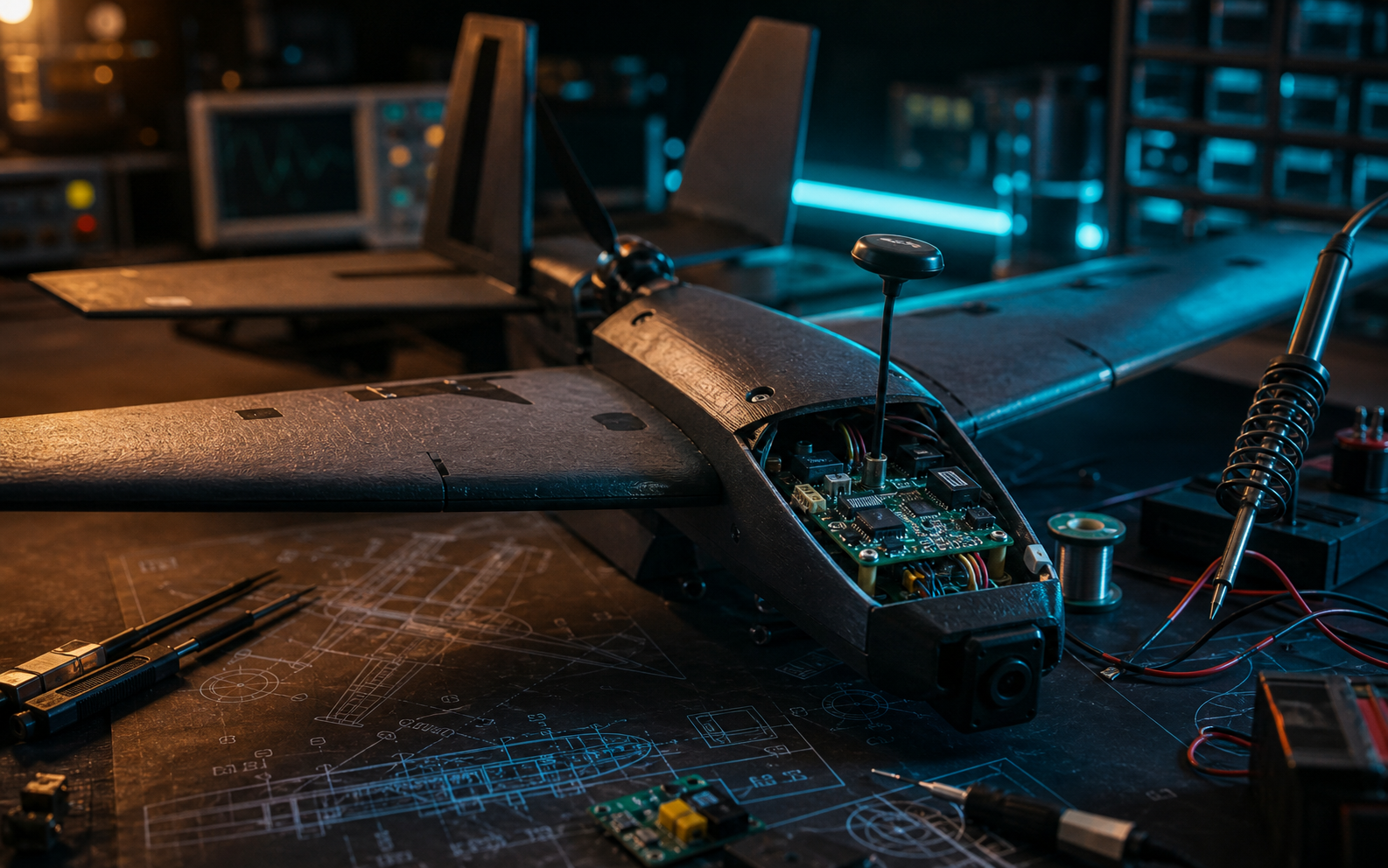
Drone-v2
Aircraft architecture, control intuition, embedded bring-up, and the practical discipline of getting boards, sensors, and telemetry to cooperate.
Aerospace / Embedded / Control
Aerospace, RF and embedded systems, built through school, self-study, research writing, and actual hardware work.
Grade 12 student in Bengaluru building at the intersection of aerospace, RF, firmware, SDR, and machine learning.
This page is the academic and technical through-line: what I am studying, how I learn, where I have worked, and which kinds of problems I keep choosing on purpose.
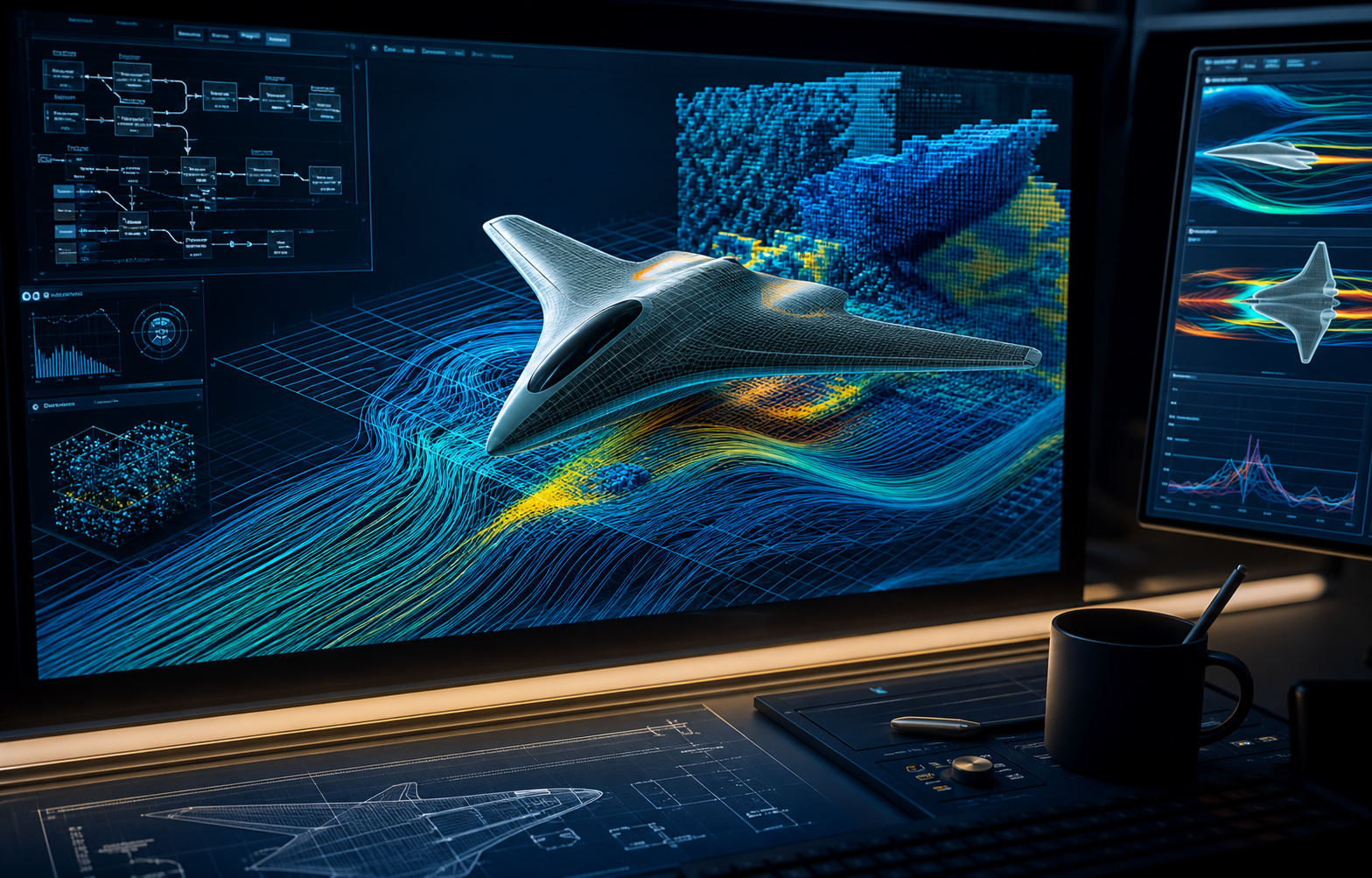
RCS surrogate research, autonomous aircraft systems, SDR signal pipelines, and turning school math into engineering intuition that survives contact with real hardware.
Aircraft architecture, control intuition, embedded bring-up, and the practical discipline of getting boards, sensors, and telemetry to cooperate.
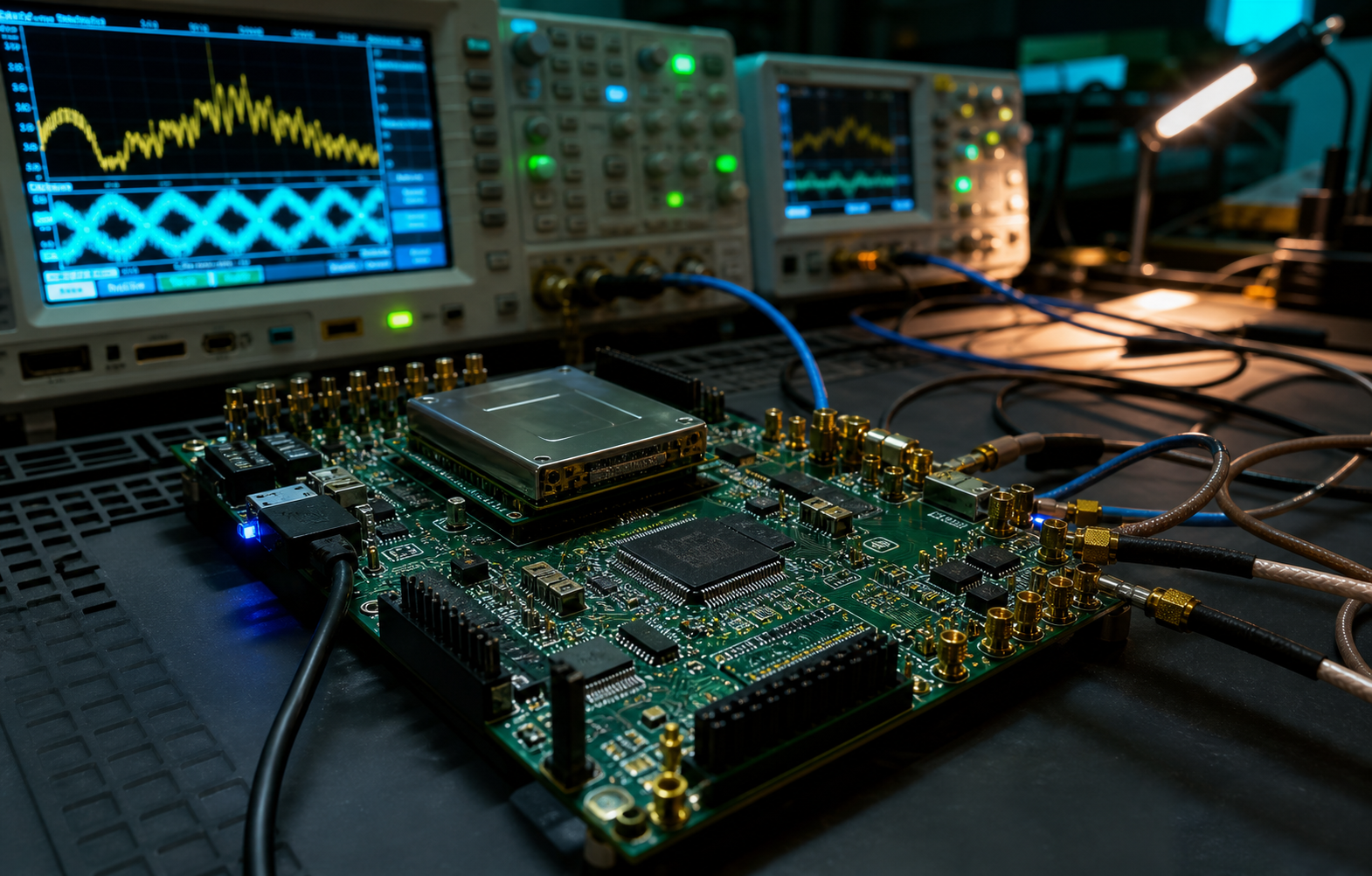
FPGA pipelines, RF front-end thinking, ADC throughput, measurement workflows, and how signal-processing ideas become hardware constraints.
Machine-learning models for fast aerospace design screening, plus a stronger habit of literature review, validation, and writing clearly under technical uncertainty.
CBSE PCMC, AP prep, SAT work, technical notes, and the steady translation layer between formal academics and self-directed project work.
Physics, math, coding fundamentals, and enough theory to know what the equations are trying to say in hardware terms.
Modeling, circuit planning, fluid and EM intuition, feasibility checks, and early-stage tradeoff work before fabrication.
Firmware, boards, sensors, protocols, and the unglamorous systems work needed to make a project coherent.
Bench testing, RF checks, debugging, logging, and the part where assumptions have to earn the right to stay.
Research papers, notes, GitHub documentation, and the next round of questions that make the next build smarter.
Regression models, dataset strategy, simulation-informed validation, and a practical roadmap for using ML as a screening layer before full-wave electromagnetic analysis.
Generative aerodynamic design work combining diffusion-style modeling with computational fluid dynamics and structural constraints.
CBSE PCMC as the academic base, with AP and SAT preparation functioning less like separate checklists and more like extra reps in math, physics, and technical writing.
Drone-v2, SDR, RCS surrogate models, project documentation, and the stretch from school coursework into aerospace systems thinking.
Embedded and fabrication support in a real lab environment, including printer recovery, controller work, and practical debugging under time pressure.
Skill Titans recognition, HMUN and Techfest MUN participation, Astro Space Camp, and a growing bias toward technical work that can be explained clearly.
Programming, electronics, robotics, sensors, and the long self-study runway that made later project work possible.