hardware
Drone-v2
Multi-layer autonomous aircraft board with sensor loops, telemetry, RF layout, and final assembly/test work.
Grade 12 student at NPS HSR, Bengaluru, working across UAV hardware, FPGA software-defined radio, electromagnetic simulation, and ML-assisted aerospace design.
A public, portfolio-safe synthesis of what showed up across the site and Drive planning docs.
Multi-layer autonomous aircraft board with sensor loops, telemetry, RF layout, and final assembly/test work.
High-speed software-defined radio: Verilog DSP, ADC interface, Ethernet streaming, and GNU Radio integration.
Paper on ML regression for UAV radar cross-section estimation, framed as a fast filter before full-wave validation.
SSERD/Genex Space internship direction, extending aerospace documentation work into rover systems practice.
I like projects where physics and code have to negotiate with real hardware: PCBs that need to be manufacturable, firmware that has to survive sensors being noisy, and simulations that should help decisions rather than just make pretty plots.
My Drive notes point to a deliberately broad technical arc: aerospace and mechanical engineering, RF systems, embedded control, AP Physics 2 / Calc BC / Chemistry preparation, SAT work, and college research across the US, Canada, India, and Australia.
The through-line is simple: learn the underlying math, build a working artifact, document the failure modes, then iterate.
The page now surfaces research as a serious part of the portfolio, not just a side note.
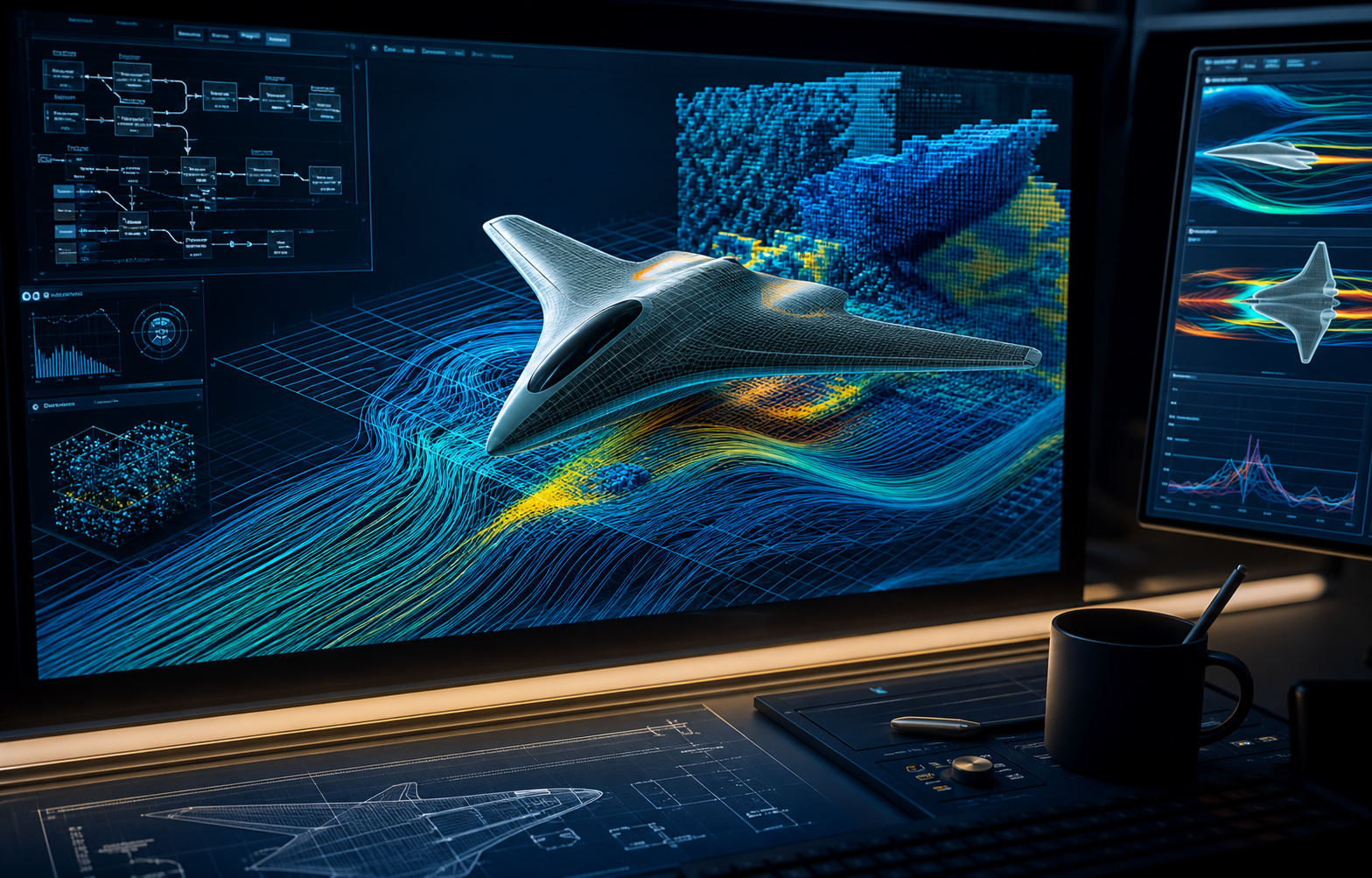
Machine-learning surrogate models for estimating radar cross-section from EM simulation data, including dense nets, volumetric CNNs, transformers, PINN-style constraints, uncertainty, and full-wave validation strategy.
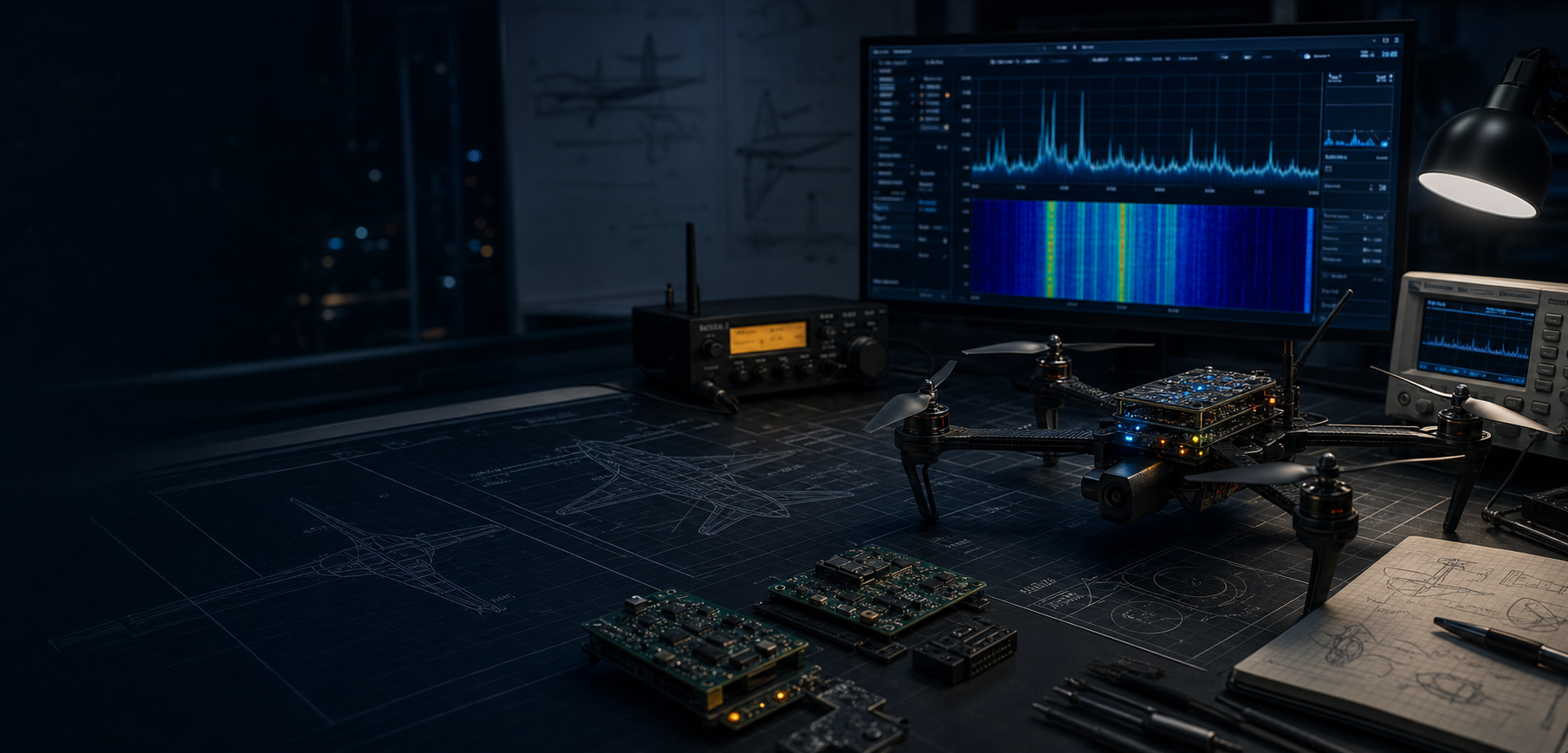
Generative aircraft design and CFD exploration. The plan notes also capture the honest engineering reality: some debugging paths get closed when the system stops being tractable.
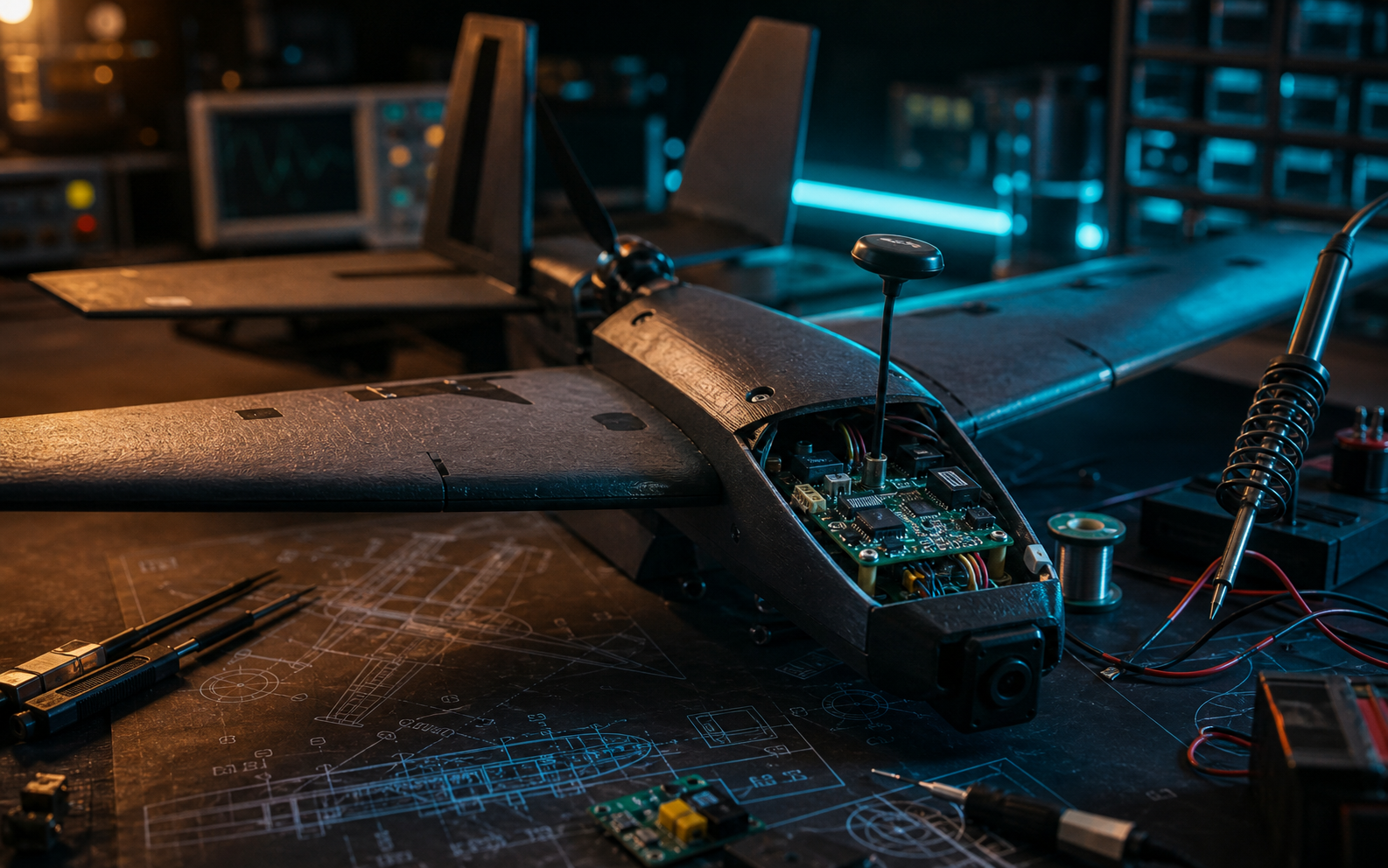
Multi-objective evolutionary algorithms for balancing mass, efficiency, and emissions in aircraft propulsion design.